
About
More about Micha’el
I didn’t come to therapy by way of a straight line.
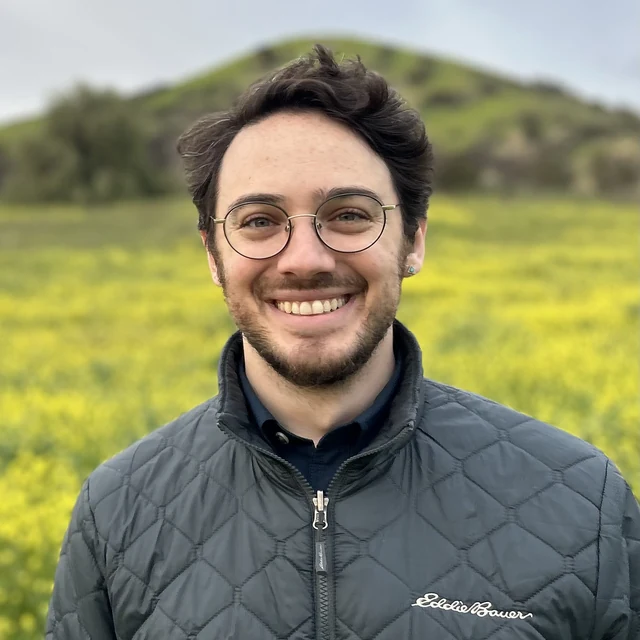
Before becoming a therapist, I spent much of my life in the arts, education, community work, music, travel, and working with veterans and survivors of violence, terrorism, and abuse. I lived in New York City as an actor, worked on stage and in film, helped build a theatre company, taught, led, performed, and spent years moving between creative, spiritual, and communal worlds. I’ve also lived overseas, traveled widely, and been in combat zones with veterans and survivors of violence working through PTSD.
That background matters to my work. I know something about what it is to build a life around meaning, identity, craft, faith/spirituality, uncertainty, and reinvention. I also know how disorienting it can feel when the life that once made sense no longer does.
My work with men is also shaped by more than a decade in men’s council spaces, where I’ve seen how much can change when men have room for honesty, grief, accountability, humor, and real friendship.
Artists, students, and people rebuilding their way
I feel at home with artists, performers, musicians, writers, students, early-career professionals, and people trying to find their footing between chapters.
Sometimes the work is about getting back to yourself after school, burnout, rejection, a difficult job, a creative block, or a long season of surviving. Sometimes it’s about building a more sustainable relationship with your work, your ambition, your talent, and the part of you that still wants to make something true.
I don’t treat creativity as a hobby or a side issue. For many people, creative life is tied to identity, grief, discipline, longing, shame, community, and purpose. Therapy can help you sort through what’s yours, what you inherited, what you’re still carrying, and what kind of life you want to make from here.
Crossing worlds
I work with people who have lived between cultures, communities, countries, or versions of themselves.
Living overseas, returning home, leaving a religious or cultural world, entering one, moving between languages or expectations, or trying to explain yourself to people who don’t share your frame of reference can be lonely. Expats, immigrants, travelers, international students, and people dealing with reverse culture shock often carry questions that are hard to name: Where do I belong now? Who am I after what I’ve seen? How do I come home changed?
You don’t have to flatten those experiences to make them understandable here.
How my background shapes the work
My work is relational, direct, and grounded. I listen for story, metaphor, contradiction, humor, longing, and the places where your life has become too small for who you are.
I draw from acceptance and commitment therapy, person-centered and existential work, trauma-informed practice, and practical skills when structure helps. The method follows the person, not the other way around.
I’m interested in helping you live with more honesty and less performance. The kind of performance that keeps you passing as though you're fine when you’re not.
What I hope therapy gives you
My hope is that therapy becomes a place where you can hear yourself more clearly.
A place to tell the truth without having to turn it into a polished story. No lies. A place to grieve what didn’t happen, name what still matters, and begin making choices that fit the life you actually want.
You don’t need to have the whole thing figured out before you reach out. You only need enough willingness to begin. You deserve happiness. You deserve to hope again.
Micha’el Miller, MSW, LSW
If any of this sounds like the kind of work you’re looking for, let’s talk.
Request a Consultation